Kovai Vidyashram

Author: admin

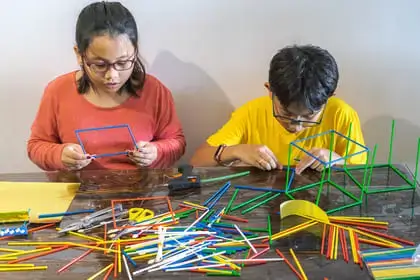
class room image

How to Inspire Creativity in the Classroom

How to Inspire Creativity in the Classroom Introduction Imagine a classroom where every child raises their hand, not just to answer a question, but to ask one no one has thought of before. This is what creativity looks like. It is more than a skill; it is the spark that lights up learning. Creativity helps students become more curious, confident, and capable of solving problems in real life. In today’s fast-changing world, students need more than just academic knowledge. They need imagination, innovation, and flexibility. At Kovai Vidyashram, we treat creativity as a core part of learning. It helps children not only absorb information but transform it into ideas and actions. What Does Creativity in Learning Really Look Like? When people think of creativity in schools, they often picture art class or music time. But real classroom creativity goes far beyond the arts. It is present when a student explains a science process through a comic strip or when a history topic turns into a group skit. Creative learning involves original thinking, problem-solving, and emotional expression. It means giving students the freedom to explore, question, and make choices in how they learn. It also means encouraging them to take risks and understand that mistakes are part of growth. 10 Ways to Spark Creativity in Your Classroom Below are ten practical strategies, inspired by the best educational practices and adapted for classrooms like those at Kovai Vidyashram. Ask More Open-Ended Questions Instead of asking questions that have one right answer, use questions that allow for different viewpoints. For example, “What would you do if gravity stopped working?” sparks imagination and scientific thinking. Open-ended questions invite students to share their ideas, think deeper, and discuss with their peers. It builds both creativity and communication skills. Let Students Choose How They Learn Giving students choices in how they present their work makes learning more personal and engaging. Some may choose to build a model, while others might prefer writing a poem, making a video, or doing a live demonstration. This freedom helps students take ownership of their learning and feel more motivated to participate and express their strengths. Bring Art into Every Subject Art can help explain even the most technical subjects. In math, students can design patterns. In science, they can draw life cycles. In social studies, they can create timelines with illustrations. When students use visual or performance-based methods, they remember information better and enjoy the process of learning more. Use Technology in Creative Ways Technology should not just be about watching videos or typing notes. At Kovai Vidyashram, we encourage students to use digital tools creatively. For example, students can use apps to design presentations, record podcasts, or build online portfolios of their work. Digital platforms give students the tools to create, share, and reflect on their ideas in new and exciting ways. Make the Classroom a Safe Space for Ideas A creative classroom is one where students feel free to speak up without fear of being laughed at or judged. Teachers can create this kind of space by encouraging all contributions, welcoming unusual ideas, and showing that mistakes are a natural part of learning. When students feel safe, they are more likely to take risks, think out loud, and push their boundaries. Promote Brainstorming and Group Work Brainstorming as a team helps students listen, share, and build on each other’s ideas. Working in groups to solve problems or create projects encourages collaboration and sparks fresh thinking. Try group challenges such as building a new planet, inventing a product, or solving a community issue. These kinds of tasks stimulate problem-solving, leadership, and teamwork. Add Play to Learning Learning becomes joyful and memorable when play is involved. Games, role-playing, and creative challenges make it easier for students to understand and remember concepts. Even a short activity, like creating a board game based on a subject or acting out a math problem, can shift the energy in the classroom and make learning stick. Let Students Personalize Their Space Students thrive in environments where they feel they belong. Give them chances to decorate a class board, create a “thought corner,” or suggest how the classroom can be organized. These small changes give students a voice in their environment and boost a sense of ownership and pride. Celebrate Creative Efforts Focus on the journey, not just the final product. Praise students for their ideas, effort, and originality, even if the results are not perfect. For example, a student who creates an imaginative story with grammar mistakes deserves recognition for creativity. Positive feedback keeps students motivated to keep experimenting and improving. Give Time for Free Exploration Set aside regular time where students can explore a topic of their choice. This could be “Wonder Hour” or “Creative Friday.” It allows them to follow their curiosity and develop skills like self-direction, research, and project planning. Whether it is learning about space, painting a landscape, or inventing a board game, this time gives students space to grow creatively and independently. The Teacher’s Role in Creativity Creativity starts with the teacher. When educators model creative thinking and stay open to new approaches, students learn to do the same. It is not about being perfect. It is about being willing to try, adapt, and reflect. Teachers at Kovai Vidyashram often innovate with their lesson plans, classroom setups, and feedback methods. Their flexibility and passion set the tone for a classroom culture that values originality. Involving Parents in the Creative Process Parents play a key role in building a child’s creative confidence. When schools and families work together, creativity flourishes. We suggest fun at-home activities like storytelling nights, DIY craft projects, nature journaling, or even collaborative cooking. These experiences show children that creativity is a way of life, not just a classroom concept. At Kovai Vidyashram, we regularly engage parents in creative events and share ideas for activities they can try at home. Making Creativity Fit Into the School Routine Time, exams, and curriculum pressure can make it seem difficult

Promoting Positive Behaviour in the Classroom

Promoting Positive Behaviour in the Classroom Introduction In every school, positive behaviour is the key that opens the door to better learning, better relationships, and a better future. Classrooms function best when students feel respected, valued, and encouraged to give their best effort, not out of fear, but from a sense of belonging and purpose. At Kovai Vidyashram, we’ve seen how nurturing positive behaviour shapes confident individuals. Children are not only more focused but also more motivated to learn and participate when they are in an environment that promotes kindness, consistency, and mutual respect. Good behaviour builds a peaceful classroom atmosphere, reduces distractions, and gives teachers more time to focus on quality instruction rather than constant correction. Most importantly, it helps children develop strong values that extend beyond school walls. What Does Positive Behaviour Really Mean? Positive behaviour is about more than just saying “please” and “thank you.” It includes actions like listening attentively, taking responsibility for mistakes, cooperating with classmates, and staying calm in challenging situations. It is the foundation for emotional intelligence, leadership, and resilience. In our school, positive behaviour means: Respecting others’ opinions and space Being honest and accountable Working well in a group Showing empathy and understanding Developing these behaviours takes time, practice, and the right environment. Schools have a major role to play in that journey. Setting Rules and Routines That Work When students know what’s expected of them, they’re more likely to succeed. Clear rules and predictable routines reduce anxiety and help children focus on learning. A classroom with structure allows students to move through their day confidently and independently. At Kovai Vidyashram, each teacher works with students to co-create simple and meaningful classroom rules at the start of the year. This participatory process builds a sense of ownership and responsibility. We also focus on daily rituals like: A morning check-in to set the tone for the day Transition signals between subjects Silent reading or journaling time to promote calm and focus End-of-day reflections that help students self-assess These routines teach time management, respect for structure, and the ability to work without constant reminders. Praising the Right Actions Positive reinforcement is one of the most powerful tools in behaviour development. When children are appreciated for the right actions, they are more likely to repeat them and encourage their peers to follow suit. At our school, we celebrate everyday wins: a kind word, a shared pencil, a quiet return to task. Teachers use verbal praise, reward systems, and even creative shout-outs like “Bright Star of the Day.” These strategies are carefully balanced so that praise feels genuine and not excessive. What matters most is making children feel noticed and valued, not just for academic success but for being thoughtful, respectful human beings. Managing the Class Before Problems Start Prevention is always better than cure, and this holds especially true in classroom management. Instead of reacting to bad behaviour, proactive strategies help maintain a peaceful learning environment before things go off track. At Kovai Vidyashram, we use various tools to stay ahead: Seating arrangements that minimize distractions Non-verbal cues for reminders (like hand signals or light chimes) Student leadership roles (class monitor, timekeeper) to promote responsibility Calm corners for students to self-regulate when overwhelmed These methods create a smooth flow in the classroom, reduce the need for discipline, and empower students to manage themselves better. Helping Students Take Responsibility Teaching children to take responsibility for their actions is essential for long-term development. When students understand how their behaviour affects others and learn how to make things right, they build stronger relationships and better decision-making skills. We encourage responsibility in small, consistent ways: Giving students classroom jobs (e.g., distributing materials, tracking attendance) Encouraging them to set personal goals and reflect on progress Using gentle, open-ended questions when mistakes occur: “What happened?” “What could you do differently next time?” These habits build self-awareness and help students grow into confident, independent individuals who understand both their rights and their responsibilities. Working Together with Parents Children thrive when schools and families work together. Behaviour patterns often start at home, and school can either reinforce or gently reshape them. That’s why open communication between teachers and parents is so important. At Kovai Vidyashram, we partner with parents through: Behaviour reports that highlight strengths, not just issues Regular meetings to discuss strategies that work both at home and school Parent workshops on emotional regulation, digital discipline, and setting boundaries We believe every parent wants the best for their child, and together we can guide students to grow into respectful and responsible citizens. Building a Positive School Culture at Kovai Vidyashram Creating a culture of positive behaviour doesn’t happen overnight. It takes consistent effort, shared values, and a strong belief in every child’s potential. At Kovai Vidyashram, we’ve made positive behaviour a school-wide priority. From morning assemblies that include value-based stories to student-led clubs promoting kindness and inclusion, we ensure that positivity is part of our daily rhythm. Even during exams or challenging moments, we remind students that how they treat others is just as important as their academic performance. Parents looking for the Best CBSE school in Coimbatore will find in us not only academic excellence but also a nurturing environment that helps children become good learners and even better people. Recent Posts Join with us Our Recent Blogs

Education Transform

The Power of Education, Transforming Lives, Creating the Future

The Power of Education, Transforming Lives, Creating the Future Introduction Education is far more than just attending classes or memorizing facts; it’s a profound journey that shapes individuals, communities, and nations. Think of it as the ultimate catalyst – the force that sparks transformation and propels progress. From the earliest lessons learned in childhood to advanced studies, each step in the educational process builds not just knowledge, but also critical thinking skills, problem-solving abilities, and a deeper understanding of the world around us. In an increasingly complex global landscape, the ability to learn, adapt, and innovate is paramount. Education equips us with these essential tools, empowering us to navigate challenges, seize opportunities, and ultimately, become agents of positive change in our own lives and for those around us. It breaks down barriers, fosters empathy, and cultivates a sense of global citizenship, laying the groundwork for a more harmonious and prosperous future. Beyond Textbooks: How Does Modern Education Foster Holistic Development? In today’s dynamic world, a truly effective education extends far beyond the confines of textbooks and traditional rote learning. Modern educational philosophy emphasizes holistic development, nurturing every facet of a student’s potential. This means focusing not only on academic excellence but also on emotional intelligence, social skills, physical well-being, and creative expression. Schools are increasingly adopting innovative pedagogies that encourage critical thinking, collaboration, and problem-solving. For instance, project-based learning, inquiry-based approaches, and experiential learning all play a crucial role in developing well-rounded individuals. A prime example of this comprehensive approach can be seen in a Residential School in Coimbatore. Such institutions often provide a structured environment that supports growth across all domains. Students engage in a rich array of extracurricular activities – from sports and arts to leadership programs and community service. This balanced curriculum ensures that students develop resilience, leadership qualities, teamwork, and a strong sense of self, preparing them not just for examinations, but for the complexities and challenges of real life. It’s about cultivating character and capabilities that transcend academic achievements, ensuring students are ready to thrive in any setting. For more detailed insights into the benefits of this approach, read about Residential Schools for Holistic Development. What is the True Transformative Power of Quality Education? The transformative power of quality education is undeniable. It’s the engine that drives personal growth, societal advancement, and economic prosperity. For individuals, education opens doors to new opportunities, enhances career prospects, and fosters financial independence. It empowers people to make informed decisions, challenge conventional wisdom, and pursue their passions with confidence. Education can lift individuals out of poverty, reduce inequality, and improve health outcomes, demonstrating its profound impact on personal well-being. On a broader scale, a well-educated populace is the cornerstone of a thriving society. It fuels innovation, promotes scientific discovery, and strengthens democratic institutions. Countries with high literacy rates and strong educational systems tend to be more stable, productive, and competitive on the global stage. This is why investing in institutions like the Best CBSE School in Coimbatore isn’t just an investment in a child’s future, but a foundational investment in the future of the community itself. These schools, with their rigorous curriculum and commitment to excellence, play a pivotal role in shaping the next generation of leaders, thinkers, and innovators, ready to contribute meaningfully to society. How Does Education Act as a Pathway to Opportunity, Shaping Futures? Education serves as the most powerful pathway to opportunity, meticulously shaping the futures of individuals and, by extension, entire societies. Each qualification gained, each skill mastered, and each concept understood builds a stronger foundation for what lies ahead. It’s about more than just securing a job; it’s about having the freedom to choose your path, innovate, and adapt to an ever-evolving world. Education equips individuals with the capacity to identify and seize opportunities that might otherwise remain unseen, empowering them to pursue fulfilling careers and contribute meaningfully to their chosen fields. Furthermore, education fosters entrepreneurship and critical thinking, encouraging individuals to create their own opportunities rather than solely relying on existing ones. It cultivates resilience and problem-solving abilities, essential traits for navigating challenges and turning setbacks into stepping stones. This continuous growth, nurtured by a robust educational system, ensures that future generations are not just prepared for the world as it is, but are ready to mold it into what it could be. When looking for a strong foundation, many consider a CBSE School in Coimbatore to be a prime choice, as their curriculum is designed to foster both academic rigor and practical skills, setting students on a trajectory for success. Choosing the Right Environment: Why are Top CBSE and Residential Schools Important? Selecting the right educational environment is one of the most critical decisions parents make for their children. It’s about finding a place that aligns with their values, nurtures their potential, and prepares them for future challenges. This is where the significance of Top CBSE and Residential Schools comes into play. A Best Residential School in Coimbatore, for instance, offers a unique educational model that extends beyond the classroom. These institutions provide a 24/7 learning and living environment, fostering discipline, independence, and a strong sense of community. Students learn to manage their time effectively, take responsibility, and develop crucial social skills through constant interaction with peers and mentors. The CBSE curriculum, known for its comprehensive and standardized approach, provides a strong academic foundation that is recognized nationwide, easing transitions for students moving to different cities or pursuing higher education. Schools that combine the academic rigor of CBSE with the holistic development focus of a residential setting offer an unparalleled educational experience. They aim to produce not just academically proficient students, but well-adjusted, confident, and responsible global citizens ready to face the world. Nurturing Excellence in Coimbatore: What Makes a School Like Edify World School Stand Out? When considering the pivotal role of education in shaping lives and futures, it’s essential to look at institutions that truly embody these principles. As a leading CBSE School in Coimbatore, stands out by

Why Choose CBSE Education for Your Child’s Bright Future?

Why Choose CBSE Education for Your Child’s Bright Future? Introduction Choosing the right school for your child can honestly feel like a massive undertaking, can’t it? Among all the options in India, the Central Board of Secondary Education (CBSE) is a name that pops up constantly, and for good reason—it’s both widely recognized and genuinely respected. But if you’re a parent, what does a CBSE education mean for your child? What will they learn? How are they tested? If you’re pondering these questions, this guide is specifically put together for you. We’ll demystify the CBSE system so you can feel truly informed and confident about the path your child is on. What Exactly Is CBSE, Anyway? A Quick Overview So, the CBSE is basically a national-level education board right here in India, managed directly by the Indian government. It started way back in 1929, and believe me, it has grown! Today, it’s the largest education board in the country, with thousands of schools affiliated not just across India but also in various countries abroad. The big goal of CBSE is to provide a standardized, all-encompassing, and high-quality education throughout its vast network of schools. You’ll find its curriculum is known for neatly blending theoretical knowledge with practical, hands-on application, which helps prepare students for higher studies and those sometimes daunting competitive exams. The Core Idea Behind CBSE: Learning That Goes Beyond Books At its very heart, the CBSE curriculum isn’t just about cramming facts or chasing high scores. Its entire design revolves around holistic development. This means it genuinely cares about nurturing your child’s growth in every possible way—intellectually, yes, but also emotionally, socially, and physically. The board actively encourages a learning environment that sparks critical thinking, sharpens problem-solving abilities, ignites creativity, and instils a real sense of responsibility. It moves miles beyond simple memorization; instead, it pushes for a deep understanding and real-world application of concepts. This approach truly helps students grasp subjects more profoundly, making that knowledge stick around much, much longer. How the Curriculum is Structured: More Than Just a List of Subjects The CBSE curriculum is thoughtfully put together to deliver a broad and balanced education, right from the very early primary grades all the way up through Class 12. Core Subjects: Building That Solid Foundation From those initial years, children are introduced to a robust set of core subjects. These usually include: Languages: Typically, English and Hindi are mandatory, with some schools offering the choice of a third language as well. Mathematics: Essential for building foundational numerical skills and logical reasoning. Science: Often integrated in the earlier grades, covering aspects of Physics, Chemistry, and Biology to foster that scientific curiosity. Social Science: This fascinating area encompasses History, Geography, Political Science (sometimes called Civics), and Economics, giving students a wide-ranging understanding of the world they live in. These subjects truly form the backbone of the entire curriculum, ensuring that students develop a strong and comprehensive base across many different disciplines. Electives: Exploring Passions and Uncovering Talents As students get older and move into the higher classes (especially Class 11 and 12), CBSE opens up a wealth of elective subjects. This is where the magic happens, allowing students to genuinely specialize in areas that align perfectly with their interests and, crucially, their future career aspirations. You’ll commonly see streams like Science (with combinations such as Physics, Chemistry, Maths, Biology), Commerce (featuring Accountancy, Business Studies, Economics), and Humanities (which might include History, Political Science, Psychology, Sociology, Fine Arts, and more). This incredible flexibility is vital for nurturing individual talents and guiding students towards a diverse range of professional fields. A Strong Emphasis on Practical, Applied Learning Here’s something really important about the CBSE curriculum: its strong emphasis on practical learning and applying concepts. Think about it – science subjects frequently involve hands-on laboratory work, social sciences often encourage compelling projects and detailed research, and even language classes integrate creative writing assignments and public speaking exercises. The ultimate goal is to move learning far beyond just textbooks, making it an interactive, truly engaging experience that directly connects theoretical knowledge to real-world situations. This approach is fantastic because it helps students develop powerful analytical skills and a much deeper, more personal understanding of what they’re learning. Assessment & Evaluation: It’s More Than Just One Big Test The way CBSE assesses students has really evolved over the years. It’s much more about encouraging continuous learning and, thankfully, reducing some of that immense pressure from single, high-stakes exams. The board’s assessment strategy often incorporates: Formative Assessments: These are ongoing checks like quick quizzes, homework assignments, classroom projects, and various activities designed to monitor student learning throughout the term and provide consistent feedback. Summative Assessments: These are the more traditional exams conducted at the end of a term or academic year, designed to evaluate overall learning outcomes. Internal Assessments: For many subjects, a significant portion of the final marks is allocated to internal assessments conducted by the school itself. This can include practical exams, subject enrichment activities, and building a portfolio of a student’s work. Board Examinations: What Every Parent Needs to Know Without a doubt, the most critical assessments for CBSE students are the Class 10 and Class 12 Board Examinations. These are external exams administered directly by the CBSE Board and are standardized across literally all affiliated schools. The results of these particular exams play a very significant role in determining a student’s eligibility for higher education and, naturally, their future career paths. While they are undeniably challenging, the curriculum does a remarkably thorough job of preparing students for them through consistent teaching and regular practice sessions. Parents need to understand that these exams are the culmination of years of dedicated learning, not merely a test of last-minute memorization. Why a CBSE Education Might Be Right for Your Child: Key Benefits Choosing a CBSE education comes with several distinct and noteworthy advantages: Widespread Recognition and Easy Transfers One of the biggest, most practical strengths of CBSE is its nationwide recognition.

Why Playtime is Key for Early Learning?

Why Playtime is Important for Early Childhood Learning Introduction In today’s busy world, parents often feel pressure. We want our young children to learn letters, numbers, and get ready for school. Sometimes, it feels like every minute needs to be filled with “learning activities.” But what if one of the most powerful learning tools is something kids already love to do? We’re talking about play! Many people see playtime as just fun, a break from real learning. However, experts in child development tell us something different. Play is not just a break; it is learning. It’s how young children naturally explore, understand, and make sense of the world around them. This blog post will explore why playtime is so incredibly important for early childhood learning. We’ll look at how it helps children grow their minds, understand feelings, build strong bodies, and become creative thinkers. Let’s dive into the amazing power of play. What Do We Mean By Play? When we talk about play in early childhood, we mean activities that are chosen and led by the child. It’s usually fun, voluntary, and more focused on the doing than on a final product. Think about a child building a tower with blocks just for the joy of building, or pretending to be a superhero saving the day. That’s play! It might look simple, but incredible amounts of learning are happening beneath the surface. The Amazing Benefits: Why Play is So Important Play touches every part of a child’s development. It’s not just one benefit; it’s a whole package that helps kids thrive. Let’s break down the key areas where play makes a huge difference. Building Brainpower: How Play Helps Thinking Skills Play is like exercise for a child’s brain. When children play, they are constantly thinking, solving problems, and making decisions. Problem-Solving: Imagine a child trying to build a bridge with blocks that keep falling down. They try different ways, test ideas, and learn what works. This is problem-solving in action! Puzzles, shape sorters, and even figuring out how to share a toy involve critical thinking. Focus and Attention: While deeply involved in a play activity they enjoy, children learn to concentrate for longer periods. This ability to focus is crucial for later learning in school. Early Math Ideas: Play is full of math! Counting blocks, sorting toys by colour or size, understanding shapes (“pass me the round one”), and figuring out spatial relationships (fitting puzzle pieces together) all build a foundation for mathematical thinking. Memory: Remembering the rules of a simple game or recalling steps in pretend play (like making pretend food) helps strengthen memory skills. Making Choices: Free play allows children to decide what to do, how to do it, and when to change activities. This builds independence and decision-making skills. Growing Hearts: Play and Social-Emotional Skills Learning how to get along with others and manage feelings is a huge part of growing up. Play is the perfect practice ground for these essential life skills. Learning to Share and Cooperate: Playing with other children means learning to take turns, share toys, and work together towards a common goal, like building a fort or playing a group game. These are vital social skills. Understanding Others’ Feelings (Empathy): Through pretend play, children step into different roles, maybe a doctor helping a patient or a parent caring for a baby. This helps them imagine how others might feel, which builds empathy. Managing Emotions: Play can sometimes lead to frustration (like the block tower falling!). It provides safe opportunities for children to experience emotions like disappointment or excitement and learn how to handle them with support from adults or peers. Building Confidence: When a child successfully builds something, solves a puzzle, or makes a friend during play, it boosts their self-esteem and confidence. They learn they are capable. Communication: Playing with others involves talking, listening, negotiating (“Can I have a turn next?”), and expressing ideas. Strong Bodies, Active Minds: Physical Development Through Play Play gets kids moving! This physical activity is essential for their growing bodies and has benefits for their brains, too. Gross Motor Skills: Running, jumping, climbing, throwing a ball, these activities use the large muscles in the arms, legs, and torso. Outdoor play is especially great for developing these gross motor skills, improving balance and coordination. Fine Motor Skills: Many play activities help develop the small muscles in the hands and fingers. Think about drawing with crayons, building with small LEGO, dressing dolls, or pouring sand. These fine motor skills are needed later for writing and using tools. Healthy Habits: Active play helps children develop healthy bodies and can establish a positive attitude towards physical activity early in life. Movement also helps children get their wiggles out, which can improve focus during quieter times. Sparking Bright Ideas: Play Fuels Creativity and Imagination Imagination is a powerful tool. Play is where children let their creativity run wild. Thinking Outside the Box: A simple cardboard box can become a car, a house, or a spaceship in a child’s imagination. Play encourages children to see possibilities and think creatively, using objects in new and inventive ways. Storytelling and Role-Playing: Pretend play allows children to create their own stories, characters, and scenarios. This fosters imagination and narrative skills, which are linked to literacy development. Experimentation: Play is a safe space to try new things without fear of failure. Children experiment with materials, ideas, and social interactions, leading to innovation and learning. Finding Their Voice: Language and Communication Grow with Play Play is a language-rich activity. Children talk, listen, and learn new words constantly while playing. Vocabulary Growth: While playing, children hear and use new words related to their play theme (e.g., “stethoscope” during doctor play, “ingredients” during cooking play). Conversation Practice: Playing with peers or adults involves back-and-forth conversation, asking questions, and explaining ideas. This builds conversational skills. Understanding Language: Listening to stories during pretend play or following instructions in a game helps children improve their understanding of language. Different Kinds of Play

How to Develop Mentally Strong Children?

How to Develop Mentally Strong Children? Introduction Every parent dreams of raising children who are happy, successful, and resilient. We want them to navigate the complexities of life with confidence and kindness. But how do we foster that inner fortitude? In a world filled with challenges, raising mentally strong children isn’t just desirable; it’s essential. Drawing inspiration from insights shared by child psychiatrist Dr. Daniel Amen in a compelling conversation with Jay Shetty, let’s explore practical, neuroscience-backed strategies combined with the wisdom of love and logic to cultivate resilience, responsibility, and confidence in our children. The Foundation: It Starts With You One of the most fundamental truths in parenting is that children learn by watching. Raising mentally strong kids, therefore, significantly depends on parents striving for their own mental and emotional balance. We must strive to model the message we wish to impart. Children are incredibly perceptive; they absorb how we handle stress, react to setbacks, and manage our emotions. This process begins with self-reflection and clarity. It’s helpful to ask: What are my core values as a parent? What qualities do I hope to nurture in my children? Defining these goals creates a guiding framework. For instance, a parent might prioritize being consistently present and engaged, recognizing that this fosters the secure attachment crucial for emotional well-being. Authenticity matters deeply. It’s difficult to teach resilience if minor challenges lead to parental meltdowns, or to encourage emotional regulation if our responses are frequently volatile. Building Unshakeable Bonds: The Power of Connection Secure attachment, the strong emotional bond between a child and their primary caregivers, is widely recognized as a vital protective factor against various mental health challenges later in life. However, true connection isn’t forged by shielding children from all difficulties or solving every problem for them; that approach often cultivates dependence rather than strength. Meaningful connection is built through intentional, focused time and genuine presence. Consider implementing a practice sometimes referred to as “Special Time”: Allocate Dedicated Time: Aim for even 15-20 minutes daily for one-on-one engagement. Let the child choose a reasonable activity they enjoy. Focus on Being: During this interaction, intentionally refrain from giving commands, asking excessive questions, or directing the play. The goal is simply shared presence. Invest in the Relationship: View this as making deposits in your relational account. Consistent, positive, non-demanding time builds trust, safety, and openness. Alongside dedicated time, active listening is a powerful tool for connection. When a child shares concerns, feelings, or experiences, resist the common parental urge to immediately offer solutions, judgments, or parallel stories from your own life. Instead: Reflect Understanding: Gently paraphrase what you hear (“So, you’re feeling left out because…”) to show you’re trying to understand. Acknowledge Emotions: Validate their feelings, even if you don’t agree with the perspective (“It sounds like that made you angry.”). Embrace Pauses: Allow silence. It gives the child space to think, process, and elaborate further without feeling rushed or interrupted. This empathetic approach not only strengthens the parent-child bond but also helps children develop emotional literacy and feel genuinely understood, paving the way for more open communication as they grow. Fostering Independence: Embracing Natural Consequences A core tenet of raising capable individuals involves allowing them to experience the natural consequences of their actions. We cannot solve all our children’s problems for them. Experts emphasize the importance of letting children make mistakes, especially when the stakes are relatively low, and allowing them to experience the outcomes. This is how they learn responsibility and develop agency,  the crucial understanding that their choices have impact and that they are capable of navigating challenges. Imagine a scenario where a child consistently forgets their homework. Instead of daily battles or reminders, a parent might calmly explain that completing homework is the child’s responsibility. The natural consequences, perhaps facing a disappointed teacher or missing out on a fun activity at school, become the teacher. This approach allows the child to take ownership, learning the connection between action (or inaction) and outcome far more effectively than through nagging or parental intervention. This principle applies broadly. Regularly rescuing a child who forgets their lunch, jacket, or sports equipment prevents them from learning organizational skills and responsibility. Experiencing minor discomfort or inconvenience is often a powerful motivator for change. Constantly shielding children from these small struggles inadvertently hinders the development of their self-esteem. Research, including long-term studies, has indicated a strong link between childhood responsibility,  whether through household chores or early work experiences,  and higher self-esteem and competence in adulthood. Taking on age-appropriate tasks builds skills, confidence, and a sense of contribution. Setting Loving Boundaries: Why Structure Equals Security While encouraging independence, it’s vital to remember that children thrive within a framework of clear expectations and consistent boundaries. Research comparing different parenting styles consistently finds that an approach characterized by both warmth/love and firmness/clear limits yields the most positive outcomes for children’s well-being. Permissiveness, even when loving, can leave children feeling insecure and less equipped to handle limits later in life. Parents essentially function as the external support for their child’s developing prefrontal cortex,  the brain region governing planning, impulse control, and judgment, which continues maturing into early adulthood. Therefore, clear family rules, consistent routines (like bedtime rituals or expectations around screen time), and predictable consequences provide essential external structure. Rules aren’t about asserting dominance; they’re about creating a safe, predictable environment where children understand expectations and learn self-regulation. Simple household rules and shared responsibilities, like age-appropriate chores, help children learn cooperation, respect, and accountability. This structured home environment is often complemented by their school experience. A CBSE School in Coimbatore that emphasizes discipline alongside academics can reinforce the importance of structure and responsibility. Nurturing the Developing Brain: Physical Foundations Mental strength has physiological roots. Paying attention to a child’s physical well-being is crucial for their emotional and cognitive development. Fueling the Brain: Nutrition plays a significant role. A balanced diet supports stable moods and focus, while excessive sugar or certain food additives can sometimes correlate with behavioural issues

5 Reasons Why Hard Work is the Key to Success

5 Reasons Why Hard Work is the Key to Success

5 Reasons Why Hard Work is the Key to Success Introduction Have you ever looked at someone who seems naturally good at something,  maybe sports, math, or music,  and thought, “Wow, I wish it were that easy for me”? It’s easy to think success just happens to some people because they have a special talent or maybe just good luck. While talent is great and luck can play a part, there’s something much more powerful and reliable that everyone can use to achieve their goals: hard work. Especially here at school, where you’re learning, growing, and figuring out your path, understanding the value of hard work is like discovering a superpower. It’s not always glamorous, and it definitely takes effort, but consistently putting in that effort is the most important thing you can do to unlock your amazing potential. So, why is rolling up your sleeves and putting in the effort so crucial? Let’s break down five reasons why hard work is the key to success, both in your school years and beyond. Hard Work Builds Real Skills and Deep Understanding Think about learning anything new. Riding a bike? Playing an instrument? Solving a tricky type of math problem? Nobody masters these things instantly. Talent might give someone a head start, but true skill comes from practice, repetition, and putting in the time. Hard work is how you turn basic knowledge into real ability. When you study those vocabulary words night after night, you’re not just memorizing; you’re building a stronger command of language. When you practice that challenging piece of music over and over, hitting the wrong notes and trying again, you’re training your fingers and your brain. When you run drills for your sport, even when you’re tired, you’re developing muscle memory and technique. When you draft and redraft an essay, you’re learning how to express your ideas clearly and powerfully. It’s the effort, the focused practice, the willingness to try again, the hours spent honing your craft,  that builds deep understanding and mastery. Easy wins don’t teach you much, but working hard to learn something truly sticks with you. These skills you build through effort become tools you can use for the rest of your life. Hard Work Teaches You to Bounce Back (That’s Grit!) Life and school aren’t always easy. You’ll face challenges. You might get a grade that disappoints you. You might not make the team you tried out for the first time. You might struggle to understand a concept in science or history. Success is rarely a straight line upwards; it’s usually full of twists, turns, and even some bumps. This is where hard work builds something incredibly valuable: resilience, or what people often call “grit.” When you commit to working hard, you learn that setbacks aren’t the end of the story. Instead, they become opportunities to learn and grow. Didn’t do well on that test? Working hard means figuring out why, studying differently next time, maybe asking the teacher for help, and putting in extra effort to understand the material better. Didn’t get the part in the play? Hard work means seeking feedback, practising more, and trying again next time with improved skills. Facing difficulties and choosing to push through them by working harder teaches you perseverance. You learn not to give up easily. This ability to bounce back from challenges is essential not just for passing a tough class but for navigating all the ups and downs that life will inevitably bring. Hard Work Shapes Your Character and Builds Discipline Putting in consistent effort does more than just improve your grades or skills; it shapes who you are as a person. Committing to hard work builds incredibly important character traits like discipline, responsibility, and focus. Think about what it takes to truly work hard at school. It means managing your time effectively,  balancing homework, projects, extracurricular activities, and maybe even a part-time job. It means showing up prepared for class, day after day. It means resisting distractions (like your phone or video games) when you know you need to study or finish an assignment. It means taking ownership of your tasks and seeing them through to completion, even when they are difficult or you don’t feel motivated. These aren’t just “school skills”; they are life skills. Learning to be disciplined, reliable, and focused through your hard work now will make you a person others can count on later,  in college, in your career, and in your personal life. It builds integrity and a strong sense of self-worth that comes from knowing you can rely on yourself to follow through. Hard Work Opens Doors You Didn’t Know Existed You might sometimes hear people talk about getting a “lucky break.” More often than not, that “luck” is actually the result of sustained hard work meeting an opportunity. When you consistently put in the effort, you create your own opportunities. How does this work in school? Working hard leads to better understanding, which leads to better grades. Good grades can open doors to more challenging and interesting classes, academic programs, scholarships, and eventually, more choices for college or future training. Putting extra effort into a club or a team might lead to a leadership position, giving you valuable experience. Impressing a teacher with your dedication and work ethic might lead to a glowing recommendation letter that helps you get into your dream school or land a great summer internship. Hard work gets you noticed. It shows teachers, coaches, and mentors that you are serious, capable, and committed. People are more willing to invest their time, energy, and resources in someone who demonstrates they are willing to put in the effort. Your hard work today is actively building the foundation for exciting possibilities tomorrow. Hard Work Brings True Satisfaction and Builds Confidence Think about a time you achieved something difficult. Maybe you finally nailed that presentation after practising for hours, or you received a good grade on a project you poured your heart into, or

10 Habits of Successful Students | CBSE School in Coimbatore

10 Habits of Successful Students

10 Habits of Successful Students Introduction Success in academics doesn’t come from luck, it comes from daily habits that shape a student’s mindset, focus, and approach to learning. At Kovai Vidyashram, one of the best CBSE schools in Coimbatore, we’ve seen firsthand how certain habits can consistently lead students toward academic excellence and personal growth. These habits aren’t just about studying harder, they’re about studying smarter, staying organized, embracing curiosity, and maintaining a balanced lifestyle. Let’s explore 10 proven habits that set successful students apart, many of which we actively nurture within our school environment. Whether you’re a parent, student, or educator, these insights offer a practical roadmap to achieving long-term success. The Power of Proactive Planning and Organization Successful students don’t wait for tasks to pile up; they proactively plan and organize their academic workload. This involves creating a realistic timetable, breaking down large assignments into smaller, manageable chunks, and prioritizing tasks based on deadlines and importance. At Kovai Vidyashram, our curriculum is structured to facilitate this planning, but the true power lies in the student’s commitment to utilizing tools like planners, digital calendars, or even simple to-do lists. This habit reduces stress, improves time management, and ensures that crucial tasks are never overlooked. For families looking for a CBSE school in Coimbatore that emphasizes holistic development, this focus on organizational skills is a key differentiator. Embracing Consistent and Active Learning Learning isn’t a passive activity. Successful students at Kovai Vidyashramm actively engage with the material being taught. This means participating in class discussions, asking clarifying questions, taking thorough notes, and relating concepts to real-world scenarios. They don’t just memorize information; they strive to understand the underlying principles. This active approach fosters deeper retention and a genuine love for learning, qualities we highly value at our best CBSE school in Coimbatore. Mastering the Art of Effective Note-Taking The ability to take concise and meaningful notes is a hallmark of successful students. At Kovai Vidyashram, we encourage various note-taking methods, from traditional linear notes to mind maps and Cornell notes. The key is to capture the essence of the information in a way that facilitates later review and understanding. Effective notes serve as valuable resources for revision and help solidify learning long after the classroom session ends. As a leading CBSE school in Coimbatore, we equip our students with the foundational skills necessary for effective learning, including note-taking strategies. Cultivating a Dedicated Study Environment A conducive study environment plays a crucial role in focus and productivity. Successful students at Kovai Vidyashram understand the importance of having a quiet, well-lit, and organized space dedicated to their studies. Minimizing distractions like social media and noise is essential for deep concentration. Creating this dedicated space signals to the brain that it’s time to focus, leading to more efficient and effective study sessions. This is a principle we emphasize to our students as part of their overall academic development within the best CBSE school in Coimbatore. The Discipline of Regular Review and Revision Learning is not a one-time event. Successful students at our CBSE school in Coimbatore understand the importance of regular review and revision. They don’t wait until the last minute before exams to revisit concepts. Instead, they schedule regular time slots to go over previously learned material, reinforcing their understanding and identifying areas that need further attention. This consistent review significantly improves retention and reduces exam-related stress. Seeking Help and Clarification Without Hesitation No one has all the answers, and successful students at Kovai Vidyashram are not afraid to ask for help when they need it. They actively seek clarification from teachers, mentors, or peers when they encounter difficulties. Recognizing gaps in understanding and addressing them promptly is a sign of intellectual maturity and a key factor in academic progress. Our supportive environment at the best CBSE school in Coimbatore encourages students to approach their educators without hesitation. Prioritizing Health and Well-being Academic success is intrinsically linked to physical and mental well-being. Successful students at our CBSE school in Coimbatore understand the importance of getting enough sleep, eating nutritious meals, and engaging in regular physical activity. They recognize that a healthy body and mind are essential for optimal cognitive function and sustained focus. We actively promote a healthy lifestyle through various initiatives within our school Developing Strong Reading Habits Reading widely and regularly is a habit that consistently distinguishes successful students. It expands vocabulary, enhances comprehension skills, broadens perspectives, and fosters critical thinking. At Kovai Vidyashram, a premier CBSE school in Coimbatore, we encourage our students to explore diverse genres and engage with reading beyond their textbooks. This habit cultivates a lifelong love for learning and provides a significant academic advantage. Embracing Challenges and Learning from Mistakes Setbacks and mistakes are inevitable parts of the learning process. Successful students at our CBSE school in Coimbatore don’t view them as failures but rather as opportunities for growth. They embrace challenges, persevere through difficulties, and analyze their mistakes to learn from them. This resilient mindset is crucial for long-term academic success and personal development. Cultivating a Growth Mindset and Setting Goals Finally, successful students at Kovai Vidyashram possess a growth mindset – the belief that their abilities and intelligence can be developed through dedication and hard work. They set clear and achievable goals, both short-term and long-term, and work diligently towards them. This proactive and goal-oriented approach, combined with the nurturing environment of the best CBSE school in Coimbatore, empowers our students to reach their full potential. Conclusion The ten habits outlined above are not innate traits but rather cultivated practices that contribute significantly to academic success. At Kovai Vidyashram, the best CBSE school in Coimbatore, we are committed to fostering an environment that encourages and supports the development of these essential habits. By focusing on proactive planning, active learning, effective study strategies, and a holistic approach to well-being, our students are well-equipped to excel academically and thrive in their future endeavors. Suppose you are seeking a CBSE school in Coimbatore that prioritizes

Innovative pedagogy, inspired learning

Innovative pedagogy and inspired learning

Innovative pedagogy and inspired learning Introduction As parents, your primary goal is to provide your child with the best possible education. In Coimbatore, there are numerous CBSE schools to choose from, each offering unique teaching methods and learning environments. This guide aims to help you understand the importance of innovative teaching and inspired learning, and how to select the best CBSE school in Coimbatore for your child. Understanding Innovative Teaching Innovative teaching refers to new and creative methods that make learning more engaging and effective. Traditional teaching often focuses on memorization, but innovative methods encourage understanding and application. Key aspects include: Interactive Learning: Using tools like digital classrooms and educational apps to make lessons more engaging.​ Project-Based Learning: Encouraging students to work on real-world projects that develop critical thinking and problem-solving skills.​ Personalized Education: Tailoring lessons to meet the individual needs of each student.​ Collaborative Learning: Promoting group activities that teach students the value of teamwork.​ These methods help students become active participants in their education, making learning both enjoyable and meaningful.​ The Importance of Inspired Learning Inspired learning is about creating an environment where students are motivated and excited to learn. This approach focuses on: Connecting Lessons to Real Life: Making education relevant by linking academic concepts to everyday experiences.​ Encouraging Curiosity: Allowing students to ask questions and explore topics that interest them.​ Supportive Environment: Creating a classroom atmosphere where students feel safe to express their ideas.​ When students are inspired, they develop a lifelong love for learning and are more likely to succeed academically and personally.​ Why Choose a CBSE School in Coimbatore? Coimbatore has become an educational hub, offering a variety of CBSE schools that incorporate innovative teaching and inspired learning. Here are some reasons to consider a CBSE school in Coimbatore:​ Holistic Development: CBSE schools focus on overall growth, balancing academics with extracurricular activities.​ Standardized Curriculum: The CBSE curriculum is consistent across India, ensuring a uniform standard of education. Preparation for Competitive Exams: Emphasis on subjects like Mathematics and Science prepares students for various competitive exams.​ Global Opportunities: English as the medium of instruction and a focus on global perspectives open doors to international higher education.​   Kovai Vidyashram: Top CBSE Schools in Coimbatore Embracing Innovative Teaching and Inspired Learning Kovai Vidyashram has emerged as one of the most progressive CBSE schools in Coimbatore. With a strong belief in student-centric learning, the school blends academic rigor with 21st-century teaching practices. Its classrooms are designed to encourage inquiry and exploration. Teachers use a mix of project-based learning, digital tools, hands-on experiments, and storytelling to make lessons both meaningful and memorable. The school also places strong emphasis on values, life skills, and social responsibility, ensuring that students grow into compassionate and capable individuals. If you’re looking for a CBSE school in Coimbatore that nurtures curiosity, creativity, and confidence, Kovai Vidyashram stands out as a top choice. Developing Thinkers, Doers, and Leaders Innovative pedagogy and inspired learning are designed to shape well-rounded individuals. These approaches help children think independently, act with purpose, and lead with confidence and empathy. They’re not just learning from books, they’re learning how to live, solve problems, and make a positive difference in the world around them. Nurturing Critical Thinkers Innovative pedagogy encourages children to ask questions, reflect on ideas, and form their own opinions. Instead of memorizing facts, students are guided to understand concepts deeply and think analytically. This builds a strong foundation for logical thinking and problem-solving skills that are essential for any field they choose in the future. Encouraging Action-Oriented Learners Inspired learning leads to children becoming doers. They learn by doing—be it through projects, experiments, or group activities. This hands-on approach improves their understanding and boosts their confidence. More importantly, they learn how to take initiative, follow through with tasks, and evaluate outcomes, a skill set crucial in real life. Cultivating Future Leaders Leadership is not just about giving instructions. It’s about listening, collaborating, and making thoughtful decisions. Schools that follow innovative pedagogy create environments where students get leadership opportunities in classrooms, clubs, and events. This consistent practice helps them grow into responsible, empathetic leaders who can guide and inspire others. 10 Innovative Pedagogical Strategies Innovative pedagogy brings new life to the classroom by using creative teaching methods that spark curiosity and build real-world skills. It goes beyond textbooks and encourages students to think, explore, and grow into active learners who enjoy the process of learning. Here are 10 examples of innovative pedagogy: Project-Based Learning helps students learn by solving real-world problems. Flipped Classrooms let students study theory at home and practice in class. Experiential Learning connects lessons to hands-on experiences. Gamification turns learning into fun and engaging games. Collaborative Learning builds teamwork through group discussions and activities. STEAM Education combines science, tech, engineering, arts, and math creatively. Design Thinking teaches students to solve problems step-by-step. Personalized Learning adapts to each child’s pace and style. The Socratic Method encourages students to think deeply through questions. Mindfulness-Based Learning improves focus and emotional well-being. Conclusion Choosing the best CBSE school in Coimbatore is a significant decision that requires thorough research and consideration. By focusing on innovative teaching methods and inspired learning, you can ensure that your child receives an education that not only imparts knowledge but also instills a lifelong passion for learning. Schools like Kovai Vidyashram exemplify these qualities, making them excellent choices for your child’s educational journey. Remember, the right school will nurture your child’s unique potential, preparing them for a successful and fulfilling future. Take the time to visit the school, interact with the faculty, and understand their teaching philosophy to make an informed decision that aligns with your child’s needs and aspirations Recent Posts Join with us Our Recent Blogs

CBSE vs ICSE

CBSE vs. ICSE: Choosing the Right Curriculum for Your Child

CBSE vs. ICSE: Choosing the Right Curriculum for Your Child Introduction Choosing the right curriculum for your child is one of the most important decisions you will make as a parent. In India, two of the most recognized school boards are the Central Board of Secondary Education (CBSE) and the Indian Certificate of Secondary Education (ICSE). Each curriculum has its own advantages and challenges, making it essential for parents to understand the differences before making a decision. This guide will help you navigate the key aspects of CBSE and ICSE to determine the best fit for your child’s education. Understanding the Curriculum of the Best CBSE Schools in Coimbatore The Central Board of Secondary Education (CBSE) is a national-level board that follows a standardized syllabus across India. It is widely accepted by schools and colleges across the country and is known for its structured approach to learning. CBSE primarily focuses on preparing students for competitive exams such as JEE (for engineering) and NEET (for medical studies). Key Features of CBSE: Standardized Syllabus: CBSE follows a uniform curriculum across all its affiliated schools, ensuring consistency in education. Focus on Science and Mathematics: The curriculum is designed to support students aiming for careers in engineering, medicine, and other technical fields. Competitive Exam Preparation: The syllabus aligns well with national-level entrance exams, reducing the need for additional coaching. English and Hindi Medium: CBSE schools offer instruction in both English and Hindi, catering to a diverse student population. Activity-Based Learning: The board has recently introduced changes to include more project-based and experiential learning techniques. What is ICSE? The Indian Certificate of Secondary Education (ICSE) is managed by the Council for the Indian School Certificate Examinations (CISCE). ICSE is known for its detailed and comprehensive syllabus that emphasizes language, arts, and applied sciences. Key Features of ICSE: In-Depth Learning: ICSE offers a broad and detailed syllabus, covering a wide range of subjects with a focus on analytical skills. Balanced Curriculum: Unlike CBSE, which focuses more on Science and Mathematics, ICSE gives equal importance to Arts, Humanities, and Languages. Strong English Foundation: The curriculum places a strong emphasis on English language skills, which benefits students in competitive exams and higher education abroad. Practical Learning Approach: ICSE promotes project-based learning, which enhances students’ research and analytical abilities. Global Recognition: ICSE is widely accepted by international universities, making it a good choice for students planning to study abroad. CBSE Vs ICSE CBSE ICSE Science and Mathematics Language, Arts, and Sciences Conceptual with a structured syllabus Analytical with detailed content Well-aligned with JEE, NEET, and UPSC Strong English foundation for exams like TOEFL and IELTS Fewer subjects, more streamlined Wide range of subjects, including creative fields Objective, multiple-choice, and structured Theory and application-based questions Recognized, but not as widely as ICSE High international acceptance Engineering, Medicine, Government Jobs Law, Literature, Management, Arts, Sciences CBSE or ICSE: Which One is Right for Your Child? Selecting between CBSE and ICSE depends on your child’s academic strengths, career aspirations, and learning preferences. While CBSE offers a structured syllabus ideal for competitive exams, ICSE provides an in-depth, research-oriented approach. Understanding key differences in curriculum, language emphasis, and affordability will help you make an informed decision. Students aiming for engineering or medical entrance exams in India may find CBSE more suitable, as its syllabus aligns with these competitive tests. Those interested in humanities, languages, or international studies can benefit from the well-rounded foundation provided by ICSE. A structured and systematic approach in CBSE makes it easier for students who prefer a focused and clear-cut learning path. Research, writing, and analytical thinking are emphasized in ICSE, making it ideal for students who enjoy exploring subjects in depth. Stronger emphasis on English language skills in ICSE helps build a solid foundation in communication and literature. Bilingual learning (English and Hindi) is well-supported by CBSE, making it a suitable choice for students comfortable with both languages. A better foundation for students planning to study abroad, especially in the US, UK, and Canada, is offered by ICSE. International recognition of CBSE exists, but additional preparation for English proficiency exams may be required. Greater availability across India and affordability make CBSE schools more accessible. Fewer in number, ICSE schools often have higher tuition fees due to their extensive syllabus and diverse subject offerings. Why CBSE Might Be the Right Choice? If you are looking for a CBSE School in Coimbatore, you are making a great decision for your child’s future. CBSE schools in Coimbatore offer a structured and nationally recognized syllabus, ensuring your child receives quality education that is widely accepted across India and abroad. Why Choose a CBSE School in Coimbatore? Access to some of the Best CBSE schools in Coimbatore that offer high academic standards. Well-rounded curriculum that balances academics with extracurricular activities. Ideal preparation for national entrance exams like JEE and NEET. Strong focus on Science, Mathematics, and practical applications. Availability of English and Hindi mediums for diverse learning needs. Conclusion Both CBSE and ICSE have their own strengths and cater to different educational needs. As a parent, your decision should be based on what aligns best with your child’s learning style and future aspirations. If your child prefers a structured approach with a focus on competitive exams, CBSE is a great choice. On the other hand, if your child enjoys a broader curriculum with a strong foundation in languages and analytical skills, ICSE is the way to go. Ultimately, no curriculum is “better” than the other, it’s about finding the right fit for your child’s growth and success. Take the time to understand their strengths, interests, and future plans before making this crucial decision. The right education can shape their future, so choose wisely! If you are searching for the Best CBSE School in Coimbatore, ensure you visit schools, interact with teachers, and review the curriculum before making a final choice. Recent Posts Join with us Our Recent Blogs

Alumni

Everything that I learned at Kempbelle University really helped put me above the competition in the field of business management.

Alyssa Watson
BA Business Management