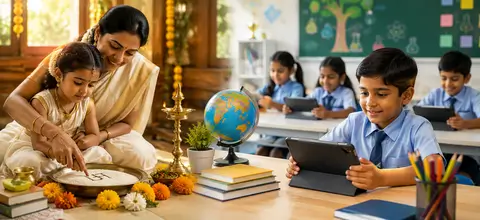
This blog explores how play and games complement academics by improving focus, building social skills, and encouraging resilience—helping children thrive in and beyond school.
Play and games are more than just leisure activities for children. In schools, they act as powerful tools for growth and learning. They help children explore, discover, and develop essential life skills beyond textbooks. When combined with academics, play and games nurture confidence, creativity, and balance.
Play and games hold a central role in a child’s schooling. They build physical fitness, social skills, and emotional resilience. Schools that integrate both into learning help students become confident and adaptable while maintaining a balance between fun and academic achievement.
Play and games create active learning opportunities beyond the classroom. They improve memory, focus, and creativity while making lessons more engaging. By connecting activities with academics, children absorb concepts faster and remember them longer.
Yes. Games require children to remember rules, apply strategies, and make quick decisions. This strengthens memory and sharpens thinking. Physical play also improves blood circulation, which enhances concentration in studies.
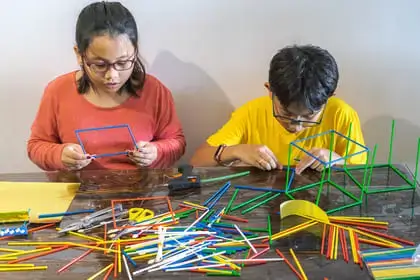
Many schools, including CBSE schools in Coimbatore, link play to academics. For example, math can be taught through puzzles and number games, while history can be brought alive through role-play. This makes learning interactive and easier to remember.
Play and games support social development by teaching cooperation, patience, and empathy. They also give children healthy ways to release stress and improve confidence.
Yes. Team sports and group play activities help children learn to cooperate, share responsibilities, and lead with confidence. These are essential qualities for future success.
Play reduces stress by giving children a natural outlet to express themselves. Whether it is running on the field or playing a board game, children learn patience, resilience, and how to handle both victory and defeat gracefully.
Parents often ask if time spent in play takes away from studies. In reality, balanced schedules show the opposite—play and games enhance classroom performance by refreshing the mind.
Studies show that children who engage in regular play and games often show improved academic performance. Active play helps refresh the mind, making classroom learning more effective.
Balance is key. Schools like Kovai Vidyashram CBSE School in Coimbatore ensure structured schedules, where academics and play complement each other. This balance ensures neither area is neglected.
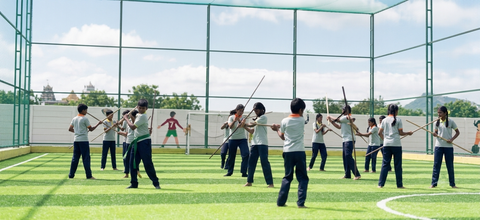
Schools provide a variety of play activities to ensure every child finds an interest. From outdoor sports to indoor games, each option supports different skills and learning styles.
Yes. Schools in Coimbatore promote a mix of both. Traditional games preserve culture, while modern sports prepare children for competitions and fitness.
Definitely. Indoor games such as chess, carrom, and puzzles improve focus and logical thinking, while outdoor sports build stamina and physical health. Both are essential in a child’s education.
Balanced time allocation ensures that children grow in both academics and physical activities. Schools typically design schedules that give equal importance to studies and games.
Yes. A good school balances academics with daily playtime. Children need both structured lessons and free play for healthy growth.
Experts suggest at least 45–60 minutes of physical play daily. Schools often combine recess, PE classes, and sports periods to meet this need.
Safety is a common concern for parents. Schools address this through proper facilities, supervision, and structured activities.
Schools ensure proper supervision, safe playgrounds, and first-aid support. At Kovai Vidyashram, children are guided by trained staff to reduce injury risks.
Teachers and coaches monitor children closely during all games. Rules are explained clearly so children play responsibly.
Inclusive play ensures every child benefits—whether athletic or not. Schools adopt flexible methods so no child feels left out.
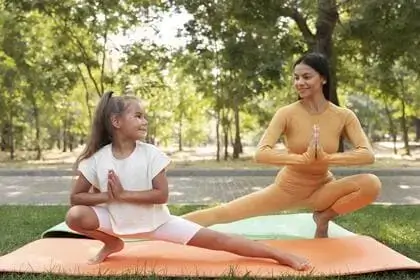
Yes. Even non-competitive activities like yoga, dance, or group play help children stay active and confident.
Schools make activities flexible. For example, lighter equipment, modified rules, or supportive peers help every child participate.
Competitions are not only about winning but about learning discipline, focus, and confidence. They encourage participation and team spirit.
Good schools emphasize participation, effort, and learning, not just winning. This helps children build confidence without fear of failure.
These events encourage teamwork, discipline, and resilience. Children gain exposure, social skills, and a sense of belonging.
Parents play an active role in continuing the benefits of school activities. Simple games at home strengthen both skills and family bonds.
Families can play board games, do puzzles, or enjoy outdoor activities like cycling or badminton. This strengthens family bonding.
Set time limits on gadgets and encourage outdoor play. A balance between technology and physical activity ensures better health.
Play and games are not extras in education—they are essentials. They help children grow academically, socially, and emotionally. Parents choosing a school like Kovai Vidyashram CBSE School in Coimbatore can be assured that their child will get the right balance of learning and play, shaping them into confident, capable individuals.
WhatsApp us
Everything that I learned at Kempbelle University really helped put me above the competition in the field of business management.
Alyssa Watson
BA Business Management